Join us on a fascinating journey through the world of global traditions. We’ll look at unusual rituals and customs that have been passed down for generations. These practices give us a peek into the rich cultural heritage of societies worldwide.
Get ready to be amazed by the unique practices that shape beliefs and views in communities around the globe. You’ll see everything from the colorful lip plates in Africa to the fire walking in the South Pacific. Each ritual shows us a new side of the human experience and the diversity of our world.
We’ll explore everything from coming-of-age ceremonies to shamanic rituals that connect people with the spiritual world. This journey will widen your view of the extraordinary and the unconventional. Dive into the world of strange customs and discover the deep meanings and symbols that have lasted for centuries.
Get ready to be enlightened, inspired, and maybe even challenged. We’re going on an amazing trip through different cultures. Here, the strange and unusual come together to show us the richness of being human.
Bizarre Body Modifications
Across the globe, diverse cultures have long embraced body modifications. They transform the human form into captivating displays of cultural identity. Lip plates, neck rings, and scarification challenge our views on beauty and self-expression.
Lip Plates and Neck Rings
In Africa and South America, elongated necks and lips are seen as symbols of beauty and status. Women start neck ring or lip plate insertion as kids. Over time, they increase the size of these adornments. This practice changes their look and shows their social standing in their community.
Scarification Practices
Scarification is a tradition in many tribal cultures. It involves making permanent patterns on the skin. These marks can celebrate life events, show social status, or express oneself. They tell the story of the wearer’s culture and life.
Lip plates and scarification show the diversity and richness of human culture. They highlight how people celebrate their identity and heritage on their bodies. By understanding these practices, we appreciate the unique ways people express themselves.
Ancient Rain Dances
Indigenous cultures worldwide have created unique rituals to call upon nature’s powers. These ancient rain dances show a deep bond between people and the earth. They are a fascinating look at how societies connect with nature.
The Hopi tribe in the American Southwest and the Maasai in Africa perform these dances. Their rituals are full of intricate movements and chants. They believe these dances can make the rains come and ensure a good harvest.
These dances include stomping, swaying, and chanting. Traditional instruments like drums and flutes are used. These sounds are thought to connect with nature’s forces, bringing the rains.
These dances are done during droughts or as yearly celebrations. They show the strength and spiritual bond of these communities. By keeping these dances alive, they honor the balance between humans and nature. They share the wisdom of their cultural heritage with us.
Fire Walking Ceremonies
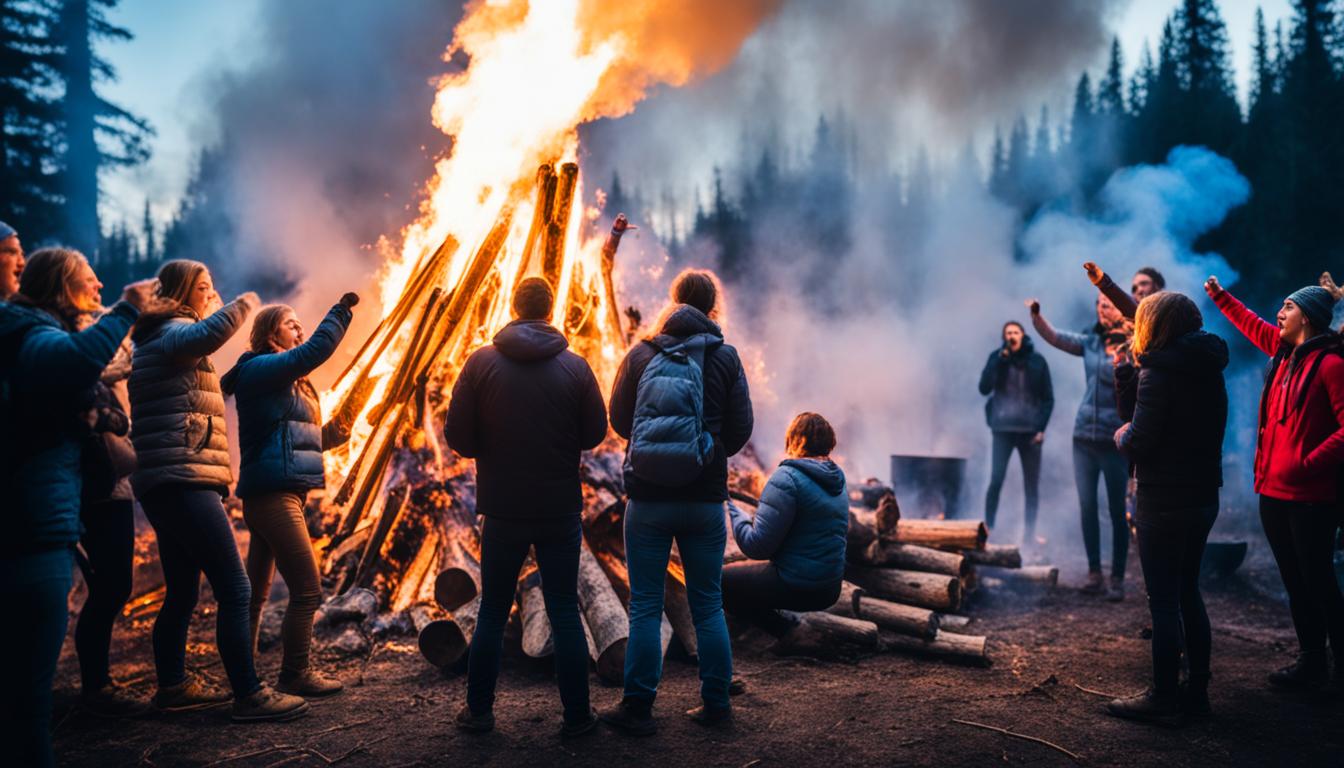
Fire walking is a tradition found in many cultures around the world. It involves walking barefoot over hot coals or surfaces. This ancient ritual is filled with spiritual beliefs and the idea of gaining supernatural powers.
The Mystical Tradition
Fire walking is a key part of many spiritual traditions. People believe they are connecting with divine energy or the natural world. It’s seen as a way to show faith, inner strength, and to go beyond the physical world.
Safety Precautions
Fire walking looks dramatic but is done safely. There are strict training, special shoes, and careful fire pit preparation. Guides help new participants get ready for the challenge.

Fire walking is still fascinating to many. It shows the beauty of cultural traditions and our deep wish to explore the limits of our bodies and spirits.
Unusual Burial Customs
Across the globe, different cultures have their own unique ways of saying goodbye to the dead. One interesting tradition is sky burials. Here, the dead are left to be eaten by scavengers in high places.
Sky Burials
In Tibet and Mongolia, sky burials are a big part of their culture and beliefs. They believe the body is just a vessel after the soul leaves. So, they let nature take over by exposing the body to birds and other animals.
This way, the dead are seen as returning to life’s cycle. It’s a sacred way to say goodbye. Sky burials show us how different cultures view death and honor their loved ones.
These customs are quite different from what we’re used to in the West. They make us think about how various communities say goodbye to their dead. It’s a chance to learn more about the anthropology of death worldwide.
Fascinating Rites of Passage
Rites of passage are key in marking big life changes. They help shape who we are and our place in the world. These ceremonies, filled with tradition, guide young people into adulthood. They show us the wide range of human experiences.
Coming-of-Age Rituals
Adolescence is a time of big growth, and many cultures have special ceremonies for it. These rituals often include challenges that help young people become full members of their communities. They make a deep connection with their culture and find their place in the world.
Studying adolescence is very interesting. Researchers look into how different cultures celebrate this stage. From the Maasai warriors to Amazonian communities, each has its own way of marking this important time. These traditions show how important these ceremonies are for our identity.
Interesting Marriage Traditions
Marriage traditions have been important since ancient times. They show the values and history of different cultures around the world. These customs and rituals are unique to each culture, making each wedding special.
In South Africa, the Zulu culture has a colorful wedding called Umabo. It’s a big event where families exchange gifts. This tradition brings the families closer together, showing the strong community ties in Zulu culture.
The Hmong people of Southeast Asia have a unique tradition called “bride kidnapping.” The groom and his friends take the bride without her family’s permission. This custom is important to the Hmong, showing their value on family and community in marriage.
These examples show how different cultures view marriage. They highlight the rich diversity in human traditions. By learning about these customs, we understand more about how people celebrate marriage.
Unveiling the Unusual
These cultural practices have hidden meanings and deep symbolism. An anthropological analysis shows us their significance. It helps us understand the beliefs and values behind them.
Hidden Meanings and Symbolism
Fire walking and body modifications are full of hidden meaning. They show us the diversity of human experience. They reflect the unique views and wisdom of different societies.
Looking at these practices across cultures helps us see our shared human experience. It shows us that we are all connected, beyond borders and languages. This helps us value these rituals more, seeing their complexity and strength.
An anthropological view reveals the deep meanings in these practices. It shows the complex symbolism in our cultures. By understanding this, we appreciate the richness of human experience more deeply.
Exploring Shamanic Rituals
Step into the world of shamanic rituals, where people use ancient traditions to connect with the spiritual world. These practices are a deep dive into the human experience. They go beyond our normal thinking and open up the mysteries of the unseen.
Spirit Quests
Start a spirit quest, a journey of self-discovery that indigenous cultures have valued for a long time. These rituals change your state of mind. They let you meet the divine, seek guidance, and find healing and a new understanding of your place in the universe.
Ayahuasca Ceremonies
Explore ayahuasca ceremonies, where a special plant brew is used to bring about visions and deep insights. These rituals come from the Amazon basin traditions. They help participants reflect on themselves and change in meaningful ways.
Strange Fertility Rituals
Let’s dive into the world of fertility rituals. Cultures all over the globe have their own ways to honor life’s cycle. They do this to keep their families going. These fertility rituals show how important making babies is to people.
Look at the many reproductive customs out there. Each one has its own cultural beliefs and ways of doing things. They reveal the deep anthropology of reproduction. This is filled with unusual practices, often tied to nature and the secrets of fertility.

Some rituals use sacred objects or follow old family traditions. Others believe in the strength of nature. These fertility rituals show how different cultures try to keep life going. They tell interesting stories and show why these reproductive customs matter.
Celebrating the Unconventional
This article has shown us many different rituals and customs. It’s time to celebrate the unique ones. By being open-minded and curious, we learn to value and respect different cultures from around the world.
Embracing Cultural Diversity
This article has taken us on a journey through human culture. It shows us the wide range of traditions we can find. By exploring these traditions, we gain new insights and challenge our own beliefs.
From fire walking to unique rites of passage, these practices show us there’s more to life than what we know. Embracing the unknown helps us understand the rich diversity of human experiences.
Let’s celebrate these unique customs with respect and an open mind. By doing so, we gain a deeper understanding of each other and the world we live in. This helps us appreciate the amazing diversity that makes us all unique.
Respecting Ancient Wisdom
As we wrap up our look at strange and unusual rituals, let’s appreciate the deep ancient wisdom in these traditions. These customs, shared over generations, let us peek into the lives and beliefs of different cultures. They give us anthropological insights that widen our views and make us value cultural diversity more.
By keeping these traditional knowledge alive, we gain from the wisdom and sustainable practices that kept communities going. This enriches our understanding of what it means to be human. In our connected world, valuing the ancient wisdom of these rituals helps us appreciate the rich human experience more.
We must keep working to preserve these cultural preservation efforts. This way, we protect the heritage and varied ways that have made us who we are today. By doing so, we open up the great lessons and insights these old traditions hold. This helps us grow and connect more deeply with the spirit of humanity.